
+2.9% spine density
Eight months of heavy, supervised resistance and impact training twice a week improved lumbar spine bone density by 2.9% in postmenopausal women with low bone mass. The home exercise group lost 1.2% over the same period.
Service
Supervised, progressive strength and impact training for people with osteoporosis, osteopenia or a family history of bone loss. One-on-one with a Doctor of Physical Therapy, in a private South Natick studio, built on the research that shows bone responds to load at any age.
Bone is not a fixed frame. Specialized cells break it down and rebuild it every day, and the balance between the two is set by hormones, nutrition, sleep and, above all, the forces you put through it. Bone that is loaded grows denser, the way skin under work grows a callus. Bone that is not loaded is quietly taken apart.
That is why resistance exercise is a first-line approach to preventing and treating osteopenia and osteoporosis, and why a daily walk, good as it is, is not enough on its own. Walking keeps you moving. Lifting is what asks bone to get stronger.
Fifty-four million Americans have low bone density or osteoporosis. About one in two women and up to one in four men over 50 will break a bone because of it. Most of them were never shown how to load their skeleton safely. That is the gap this program closes.
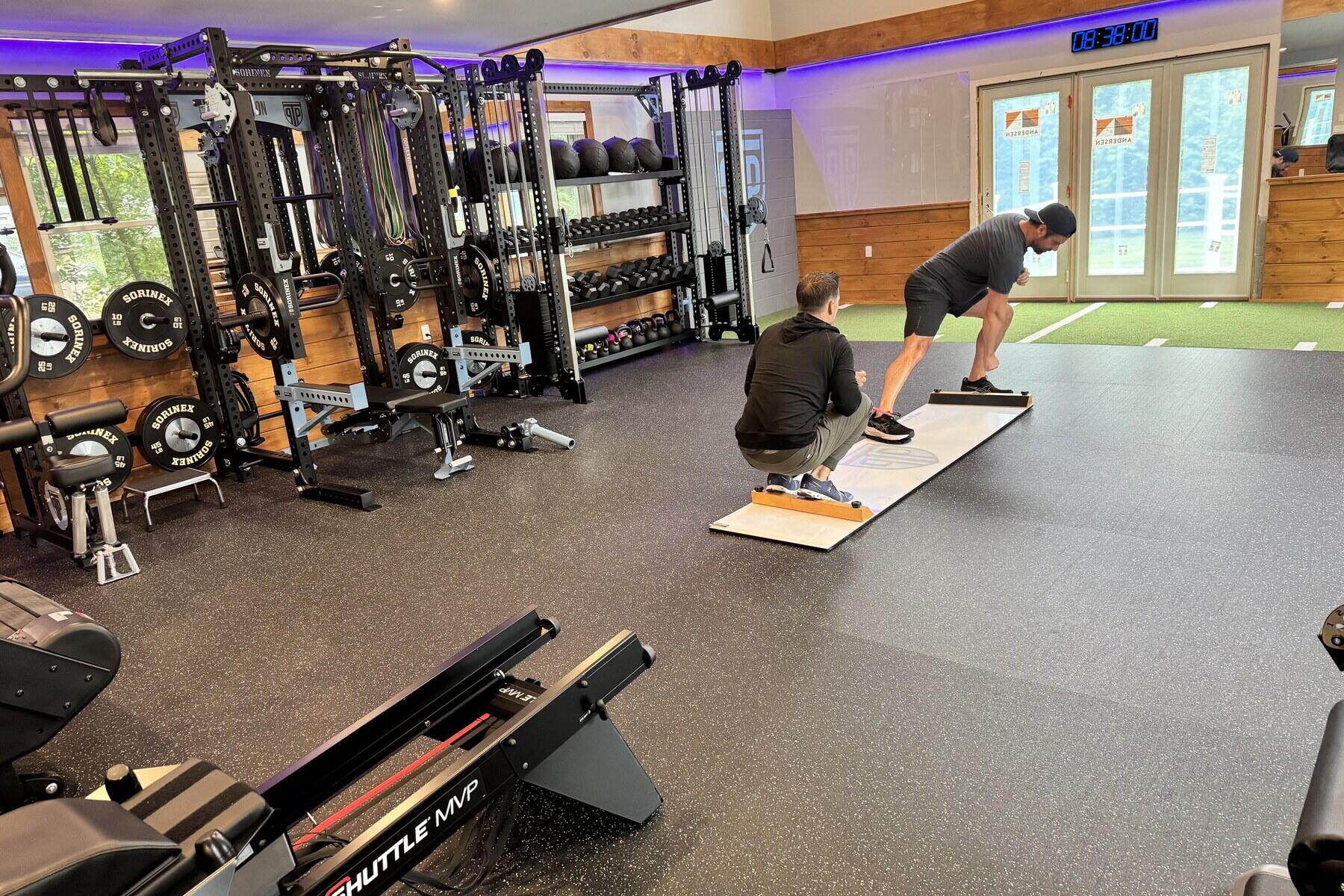
Heavy lifting was not traditionally recommended for people with osteoporosis because of a perceived risk of fracture. The LIFTMOR randomized trial tested the opposite, under one condition: supervision.
Eight months of heavy, supervised resistance and impact training twice a week improved lumbar spine bone density by 2.9% in postmenopausal women with low bone mass. The home exercise group lost 1.2% over the same period.
Femoral neck density rose 0.3% in the lifting group and fell 1.9% in the control group. Cortical bone at the hip thickened more in the lifters. The lifters also stood 2 millimeters taller while the control group lost 2 millimeters.
Every measure of function improved: getting up from a chair, reaching, the timed up-and-go, back and leg strength. Across 101 women and eight months, the trial recorded one adverse event, in the lifting group: a minor lower back spasm.
Source: the LIFTMOR randomized controlled trial, Watson and colleagues, Journal of Bone and Mineral Research, 2018. The protocol was five sets of five repetitions above 85% of one-repetition maximum, 30 minutes, twice a week, every session supervised. The 2022 UK consensus statement on exercise for osteoporosis, "Strong, steady and straight," reached the same conclusion: resistance and impact exercise for bone strength, strength and balance work to prevent falls, and spinal extension work for posture.
Strong, steady and straight is the whole brief: stronger bone, steadier balance, a straighter spine. Here is how we get there, one-on-one with the same Doctor of Physical Therapy every visit.
Your history, your DEXA report if you have one, fracture risk, medications, posture, balance and baseline strength. We do not diagnose osteoporosis; your DEXA and your physician do that. We measure what we can change.
The hinge, the squat, the press and the pull, taught light with a neutral spine until each one is yours. Hands-on work for a stiff mid-back or hips when that is what stands in the way of a good position.
Then the weight goes up, deliberately and under supervision, toward the heavy sets the research used. Bone responds to loads that are heavier and faster than it is used to, and the only safe way to get there is gradually, with a coach watching every rep.
Graded impact, from heel drops to jumps, matched to your fracture history, plus the strength and balance work that keeps you on your feet. Falls cause fractures; the steadier you are, the less your density number has to carry.
Strength, balance and posture retested every eight to twelve weeks. Your DEXA repeats on your physician's schedule. In between, you keep lifting, with us or on a program you know how to run.
We work alongside your physician and any medication plan. If something in your evaluation belongs with them, we tell you. Losing weight on a GLP-1 medication? See strength training on a GLP-1.
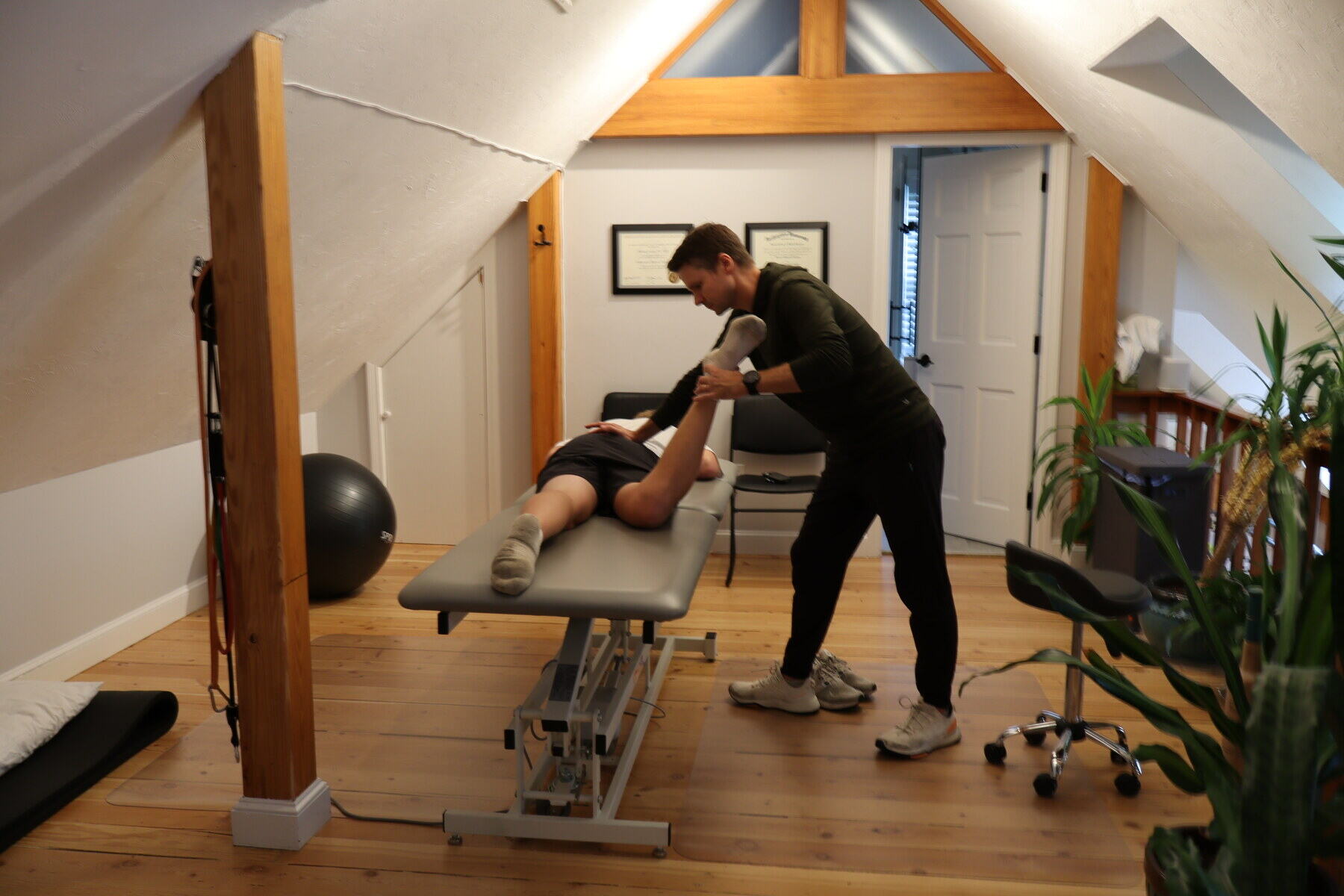
Bone is the long game inside the long game. The strength you build for your skeleton is the same strength that carries groceries, gets you off the floor, and keeps you skiing and golfing into your seventies. When the first block is done, your plan continues into athletic development with the same clinician, and the Annual Performance Assessment tracks the numbers year over year. That continuity is the Progression Method.
This page is general information, not medical advice. Decisions about medication, imaging and your individual plan belong with you and your physician. Sources: Bone Health and Osteoporosis Foundation; Watson et al., LIFTMOR trial, JBMR 2018; Brooke-Wavell et al., UK consensus statement, 2022.
Tell us what your DEXA said, what you have been told to do, and what you want to keep doing for the next 20 years. We'll tell you honestly whether we're the right fit, what the program looks like, and what it costs.
Latest on Instagram
Real sessions from the clinic and the floor, 30 seconds each. New ones every week.
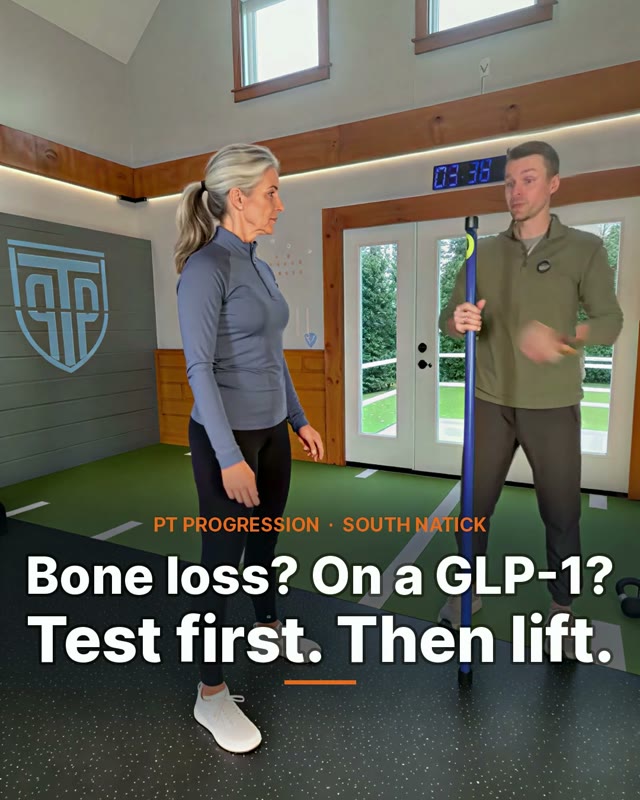
Bone loss? On a GLP-1? Test first. Then lift.
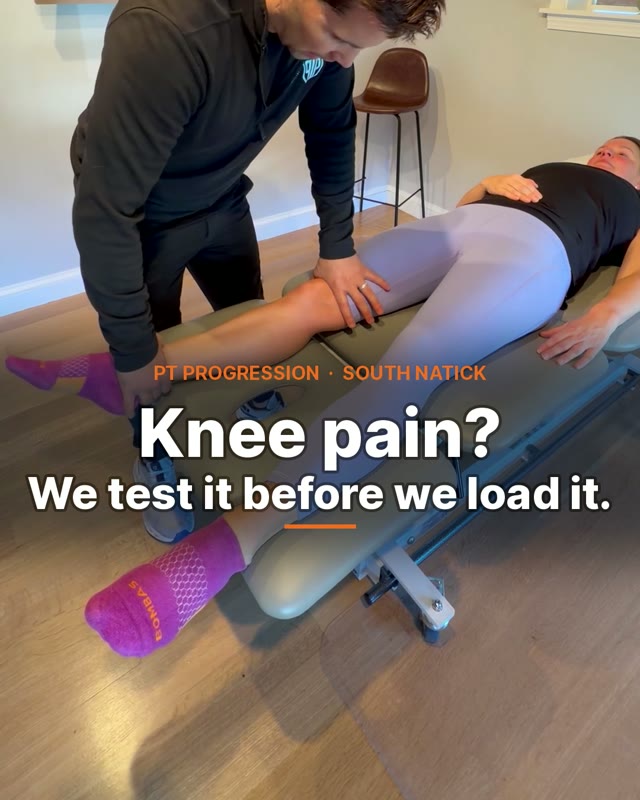
Knee pain? We test it before we load it
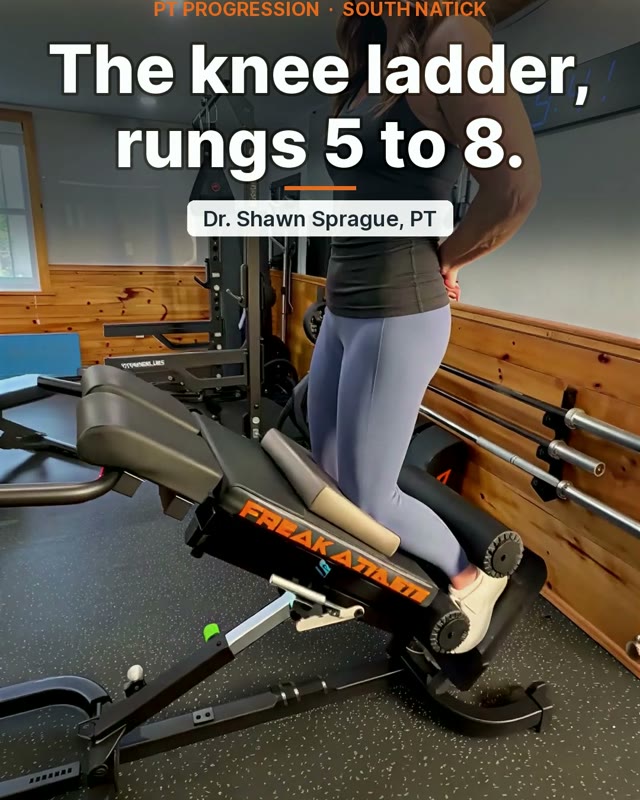
The knee ladder, rungs 5 to 8
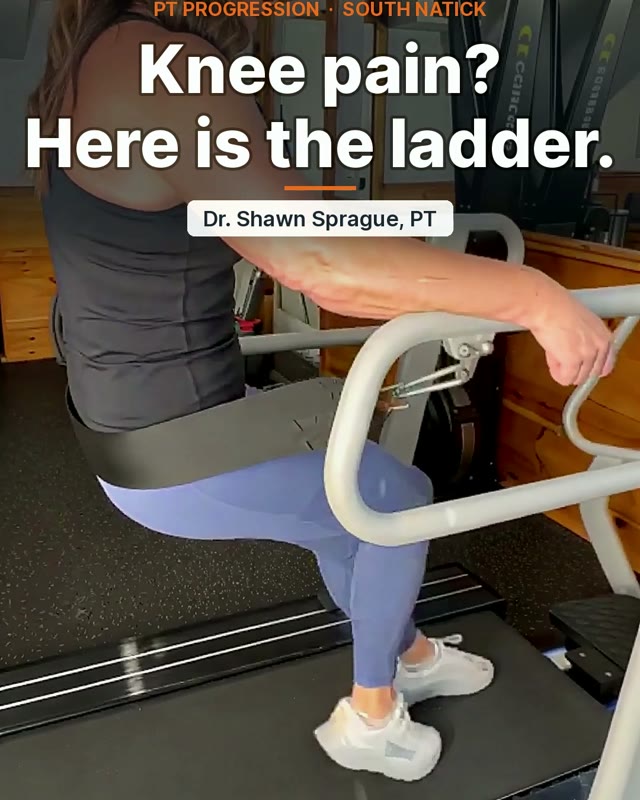
Knee pain? Here is the ladder