Meet Garrett
- Welcome, Garrett
- Who he is on paper
- How he works
- Strength training and your brain: a year of lifting, measured
- Why it matters for you
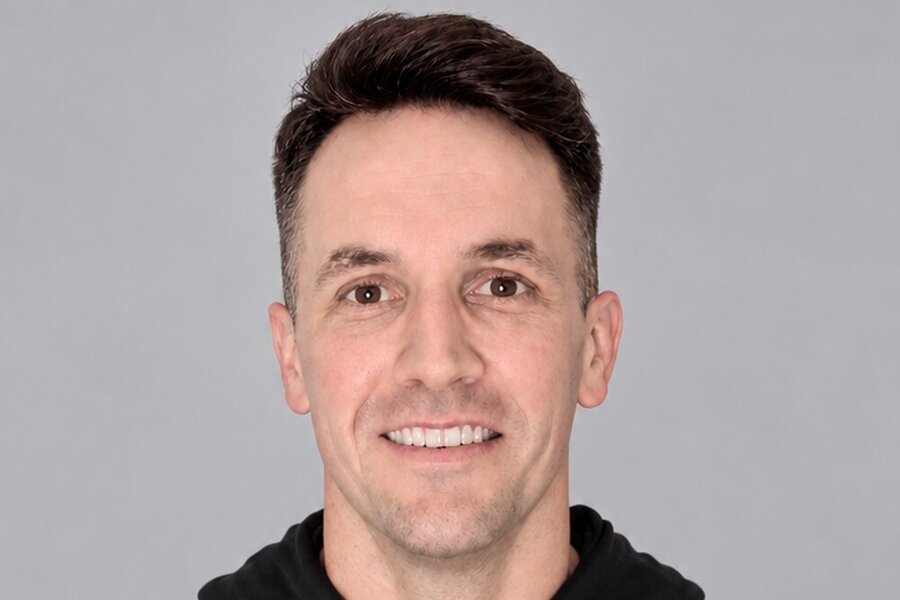
Five years ago I was Garrett's patient. This week he joined Will and me at the clinic. Here is why that is personal.
Welcome, Garrett
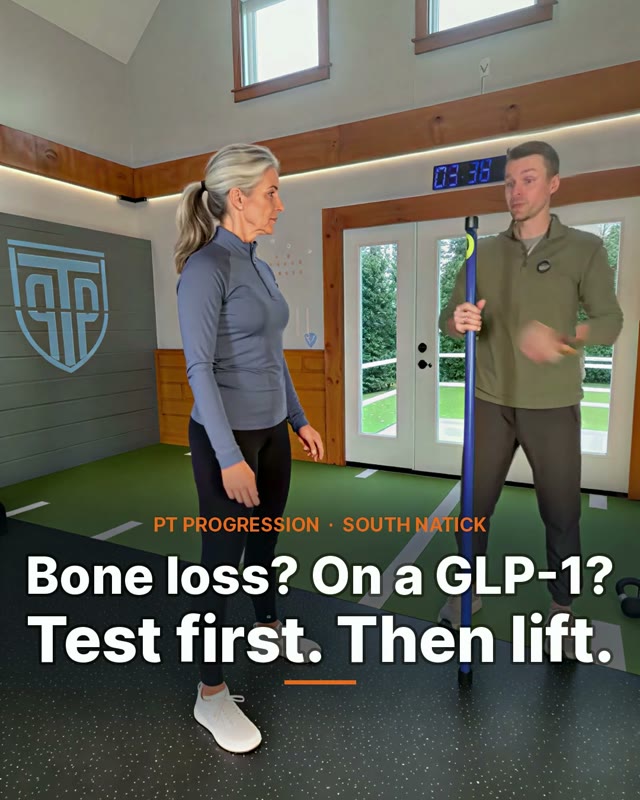
I was on his table back then. I thought he was good, and I filed his name away. This fall, when it came time to add to the team, here we are, full circle: the clinician I wanted for myself is now the clinician I get to put in front of you. I want you to meet him properly, not through a resume.
So here is how Garrett ended up in this profession in the first place. He got hurt.

Growing up, his sport was basketball, and somewhere in those years a shoulder injury put him in physical therapy as the patient. What stuck with him was not the injury. It was watching his own body get put back together, and realizing that the rehab and the training were the same thing seen from two angles. The exercises that got him out of pain were the same exercises, dosed differently, that got him back on the court. That is what pulled him toward biomechanics, then toward physical therapy, and it still shapes how he coaches people today, from an acute injury or a surgery all the way back to the thing they love doing.
I have worked with a lot of good clinicians. The ones who were patients first are different. They remember what the table feels like from the other side. I know, because I was on his.
Who he is on paper
Exercise and Sport Science at the University of San Francisco, his Doctorate of Physical Therapy at Columbia, and the same board certification in orthopedics that Will and I hold, with years of hands-on and strength coaching work since. A visit with Garrett is the same visit you get with Will or me: one clinician, the whole session, hands on when it helps and strength work when it is time. The paper is why I could hire him. The table is why I wanted to.
How he works
Garrett starts by listening. Before he touches anything, he wants to know what you are trying to get back to: the golf course, the grandkids, the morning run, a full night of sleep. He asks what you have already tried and what has not worked, and then the two of you figure out the plan together. It is your goal, so it is a shared plan, not a handout.
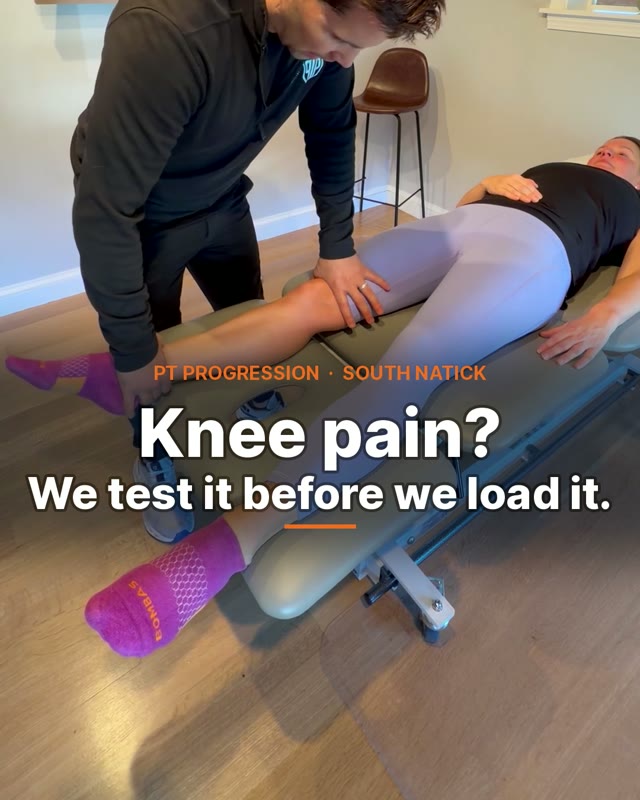
From there it is the way we have always done it here. Hands on where it helps, exercise picked for you and built up a little at a time, and a lot of conversation along the way. The relationship is the point. He gets to know you, you get to know him, and the plan changes as you do.
Garrett has openings in his first weeks. If you have been thinking about getting a shoulder, a hip, a back, or anything else looked at, I would love for you to meet him. Book your free 15 minute phone consult on the website, or just reply to this email and we will set it up.
Welcome to the team, Garrett.
One more thing before I let you go. Garrett talks about training the way I do: load it, dose it right, build it up over time. Which makes this a good moment to share a study I have been thinking about all week.
Strength training and your brain: a year of lifting, measured
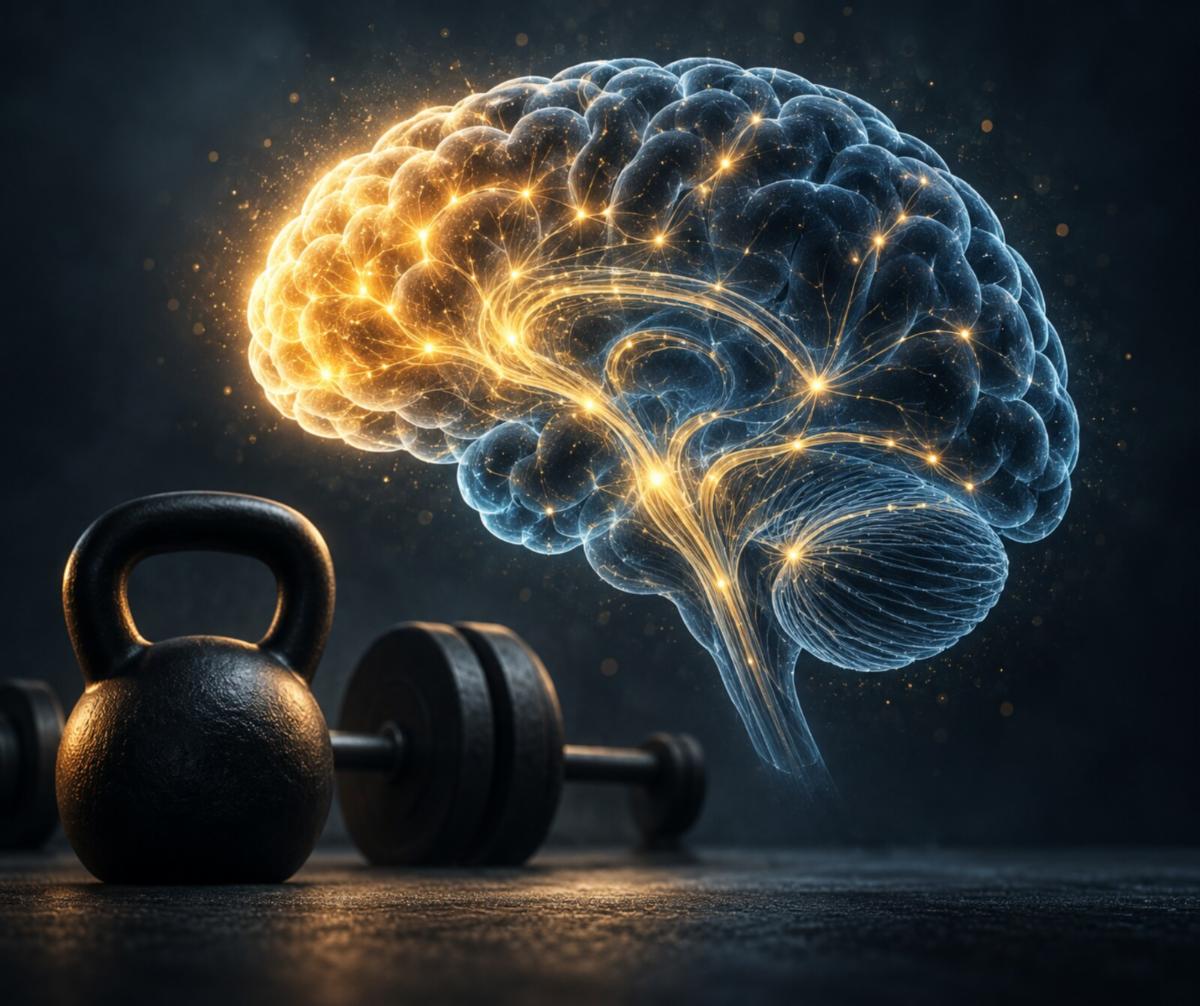
Here is the headline: a year of strength training made brains look 1.4 to 2.3 years younger. That is from a study published in the journal GeroScience in February. A research team in Copenhagen took 309 healthy adults between 62 and 70 and split them three ways for a year: heavy lifting, three supervised sessions a week; moderate training, one supervised session plus two at home; or no change at all. Everyone had a brain scan before and after, read by a model that estimates how old a brain looks.
Both training groups came out younger on the scan. The group that did nothing did not change. And the effect was still there a year after the study ended.
One honest caveat, because I do not want to oversell this. Brain age here is an estimate from an imaging model. The study does not prove that lifting reverses aging or prevents dementia, and the authors say so. What it does show is that a year of progressive, supervised strength work changed how the brain looked and worked in people in their sixties, and the change held.
Why it matters for you
Staying strong as we get older is about much more than keeping our muscles. It is about staying sharp, capable, independent, and confident in the things we want to keep doing for years to come. This study adds another interesting piece to that picture: progressive strength training may benefit not only how the body performs, but how the brain ages as well.
And here is the encouraging part. You do not have to train like a powerlifter to see a benefit. The moderate group, with one coached session a week plus work at home, saw a similar result. That is pretty close to the model we believe in at PT Progression: get the right dose, learn how to progress it, and build consistency over time.
Shawn