
Bone loss speeds up in midlife
For most women, bone loss increases after menopause, when estrogen levels drop sharply. In the five to seven years after menopause, women can lose up to 20 percent or more of their bone density.
Conditions
Your DEXA scan says osteopenia, and the advice that came with it was to do weight-bearing exercise. Here is what the result means, what kind of exercise the research supports, and how we start people: one-on-one with a Doctor of Physical Therapy, in a private South Natick studio.
Osteopenia is the name for a range on a bone density scan. A DEXA scan reports a T-score, which compares your bone mineral density with that of a healthy young adult. A T-score of minus 1.0 or above is normal bone density. Between minus 1.0 and minus 2.5 is low bone mass, also called osteopenia. Minus 2.5 or below is the osteoporosis range.
So the result says your bone density is lower than normal, but not low enough to be considered osteoporosis. You have company: 54 million Americans have low bone density or osteoporosis. It is still worth taking seriously. People with low bone density are more likely to break a bone, and may have a greater chance of getting osteoporosis because they have less bone to lose.
The T-score is one input, not the whole picture. Diagnosis and treatment recommendations are based on the scan together with your age and your other fracture risk factors, and someone who has already broken a bone can be diagnosed with osteoporosis at a better T-score than minus 2.5. If you are premenopausal, or a man younger than 50, your result is reported as a Z-score instead.
We do not diagnose bone density. Your DEXA scan and your physician do that, and questions about medication, imaging and repeat scans belong with them. Our part is the exercise, and we do it alongside them.
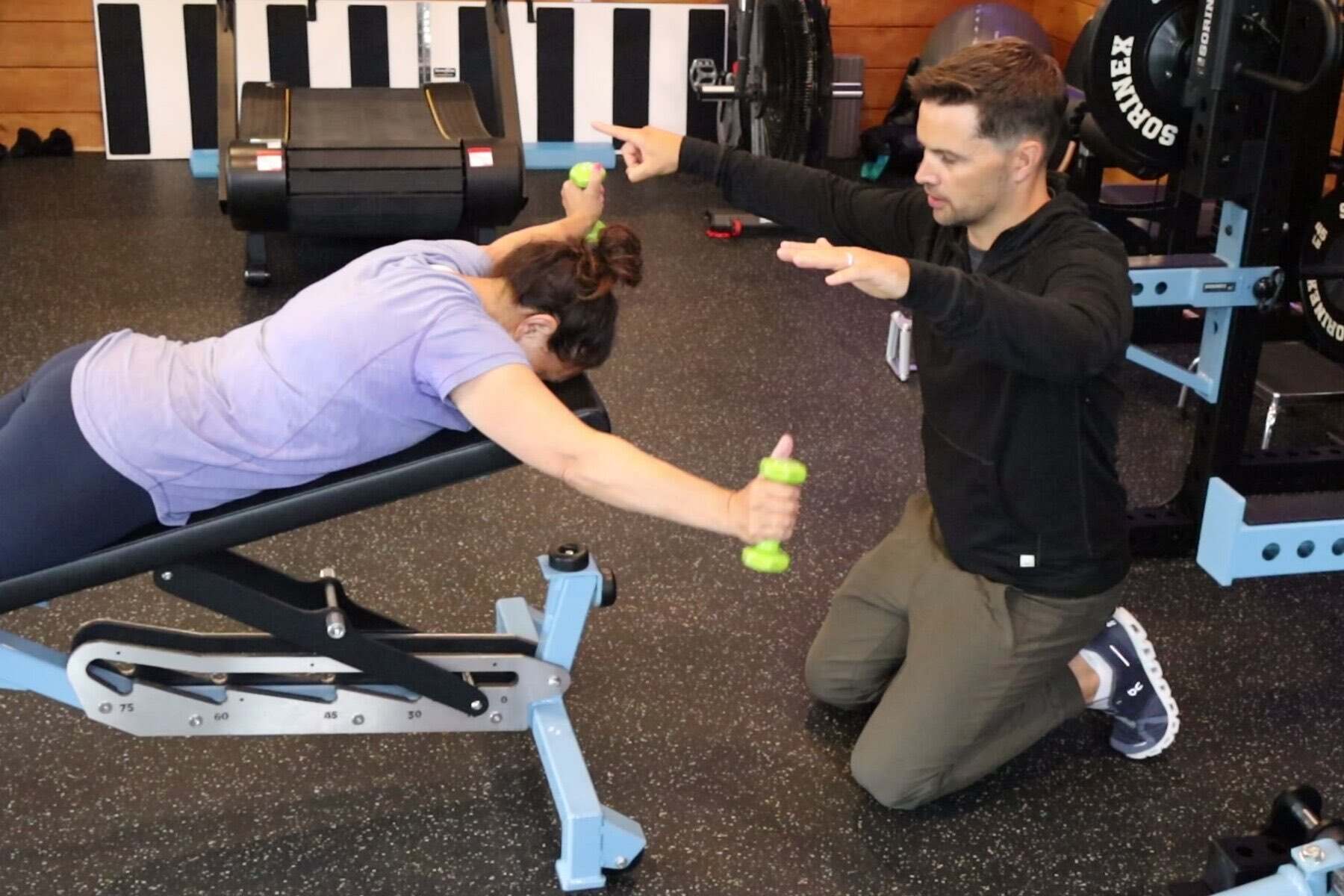
An osteopenia result is early notice, and three things make early notice worth acting on.
For most women, bone loss increases after menopause, when estrogen levels drop sharply. In the five to seven years after menopause, women can lose up to 20 percent or more of their bone density.
The lower your T-score, the higher your risk of a broken bone. The risk increases by 1.5 to 2 times with each 1-point drop in the T-score.
In the LIFTMOR trial, postmenopausal women with T-scores below minus 1.0 did heavy resistance and impact training, under supervision, twice a week for eight months. Their lumbar spine bone density rose 2.9%. The home exercise group lost 1.2%.
We have written before that building bone density is like saving for retirement: the earning gets harder later, so the reserves you build now matter. An osteopenia result is the statement arriving early. Early is a good time to read it.
Sources: Bone Health and Osteoporosis Foundation, general facts; NIAMS (National Institutes of Health), "Bone Mineral Density Tests: What the Numbers Mean"; the LIFTMOR randomized controlled trial, Watson and colleagues, Journal of Bone and Mineral Research, 2018. Links are at the foot of this page.
"Do weight-bearing exercise" is true and not much to go on. This is what the guidance says when you read past the first line.
NIAMS, part of the National Institutes of Health, says a combination of weight-bearing exercise, resistance training and balance training is best for building and maintaining healthy bones. The UK consensus statement "Strong, steady and straight," written for people with osteoporosis, sets the same priorities: resistance and impact exercise for bone strength, strength and balance work to reduce falls, and spinal extension exercise for posture.
Intensity matters too. The LIFTMOR researchers describe the loading that best stimulates bone as high in magnitude and applied at a high rate, and heavy, supervised resistance and impact training is how that trial applied it. The full findings are on our Strong Bones page.
Most of these cautions were written for people with osteoporosis or a history of fracture. With osteopenia and no fracture, how much of each applies to you depends on your scan, your history and how you move. That is a question for your physician and your evaluation, not for a list on a web page.
If you have had a vertebral fracture, or more than one fracture from a minor fall, tell us on the first call. We follow the cautious guidance above and plan with your physician.
This is the front door to Strong Bones, our supervised strength and impact program for bone. Every visit is one-on-one for the full session with a Doctor of Physical Therapy.
Your history, your DEXA report if you have one, any fractures, medications, posture, balance and baseline strength. We do not diagnose osteopenia or osteoporosis. We measure what training can change.
The hinge, the squat, the press and the pull, taught light with a neutral spine until each one is yours. If you have never lifted, this is where you learn how. If you have, this is where we check the positions.
Then the weight goes up, deliberately and under supervision. The point is to give bone a load heavier than it is used to, and to get there gradually, with a coach watching every rep.
Graded impact matched to your scan and your fracture history, plus the strength and balance work that keeps you on your feet.
We retest strength, balance and posture as you go. Your DEXA repeats on your physician's schedule. In between, you keep training, with us or on a program you know how to run.
Already diagnosed with osteoporosis, or had a broken bone? Start with the Strong Bones page. It is the same program, with the cautions that apply to you.
We work alongside your physician and any medication plan. If something in your evaluation belongs with them, we tell you.
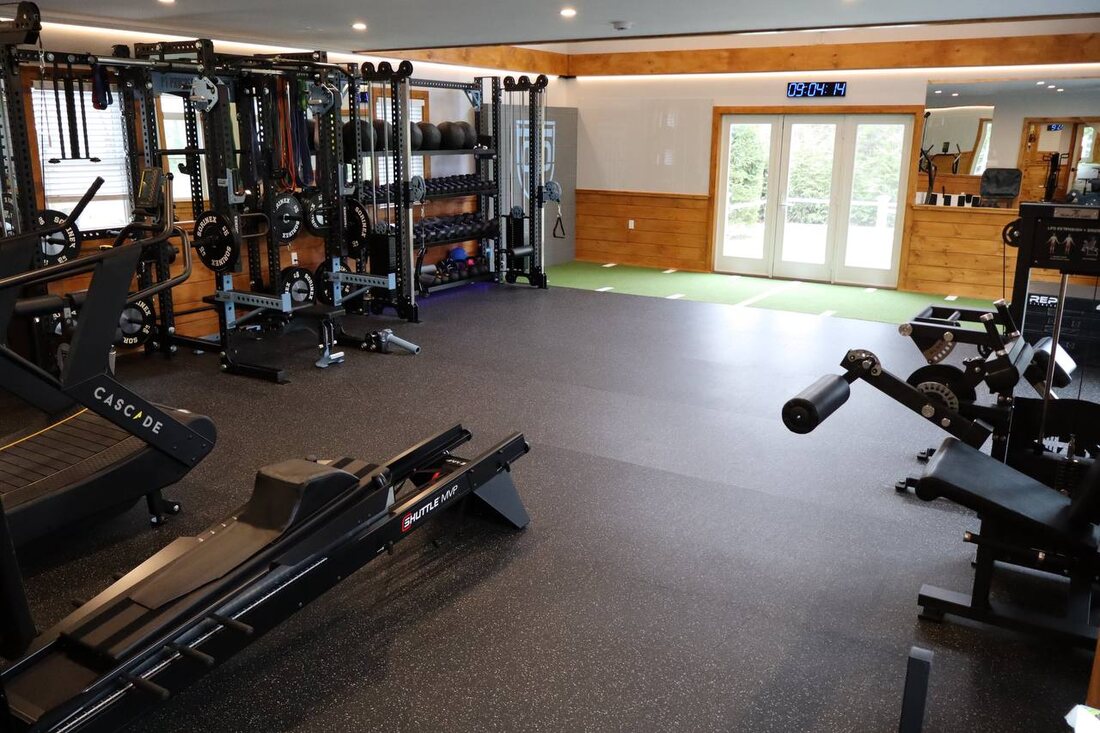
The goal is not a better number for its own sake. It is a body you trust to ski, garden, travel and pick up grandchildren for the next few decades. Training for osteopenia here is the start of Strong Bones, and from there your plan continues into athletic development with the same clinician in the same facility, with the Annual Performance Assessment tracking your strength year over year. That continuity is the Progression Method.
This page is general information, not medical advice. We do not diagnose bone density; decisions about diagnosis, medication, imaging and your individual plan belong with you and your physician. Sources: NIAMS, Bone Mineral Density Tests: What the Numbers Mean; NIAMS, Exercise for Your Bone Health; Bone Health and Osteoporosis Foundation, general facts, bone density testing and exercise for strong bones; Watson et al., LIFTMOR trial, JBMR 2018; Brooke-Wavell et al., UK consensus statement, 2022.
Tell us what your DEXA said, what you have been told to do about it, and what you want to keep doing for the next 20 years. We'll tell you honestly whether we're the right fit, what the program looks like, and what it costs.
Latest on Instagram
Real sessions from the clinic and the floor, 30 seconds each. New ones every week.
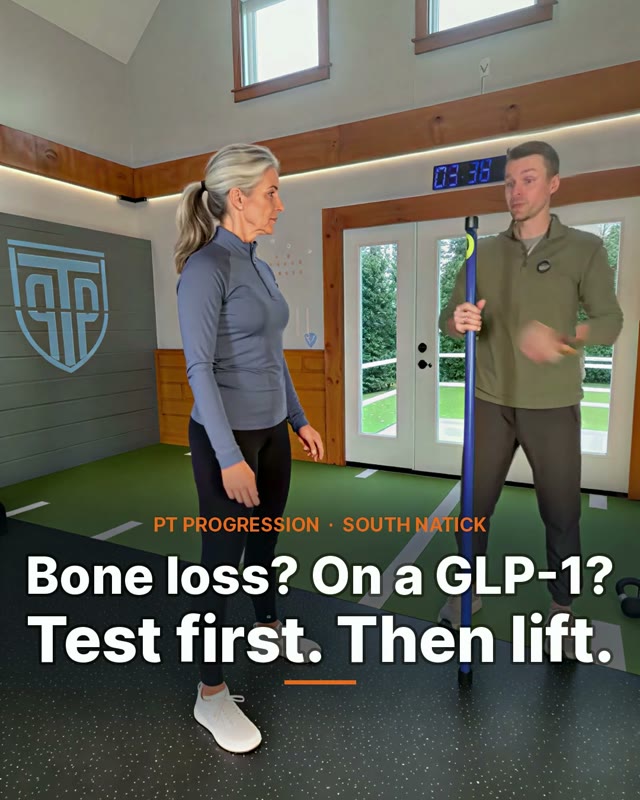
Bone loss? On a GLP-1? Test first. Then lift.
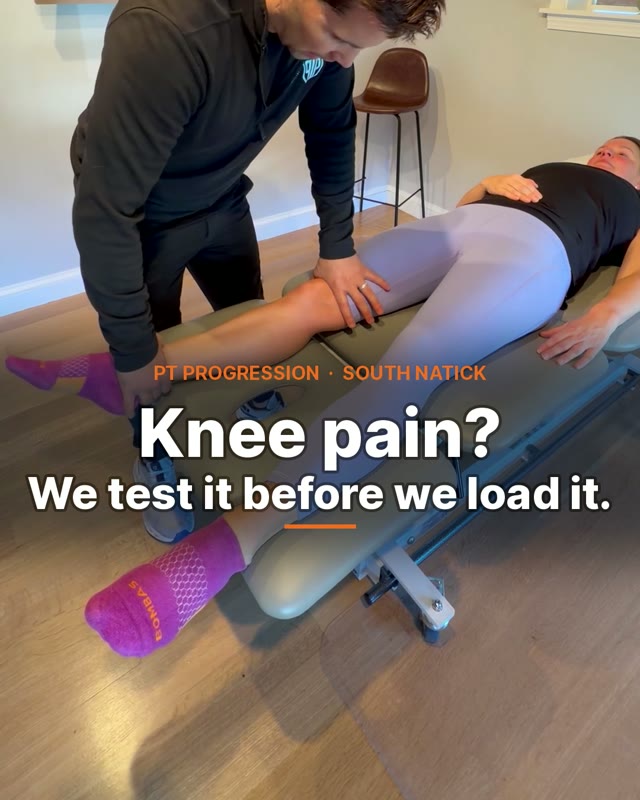
Knee pain? We test it before we load it
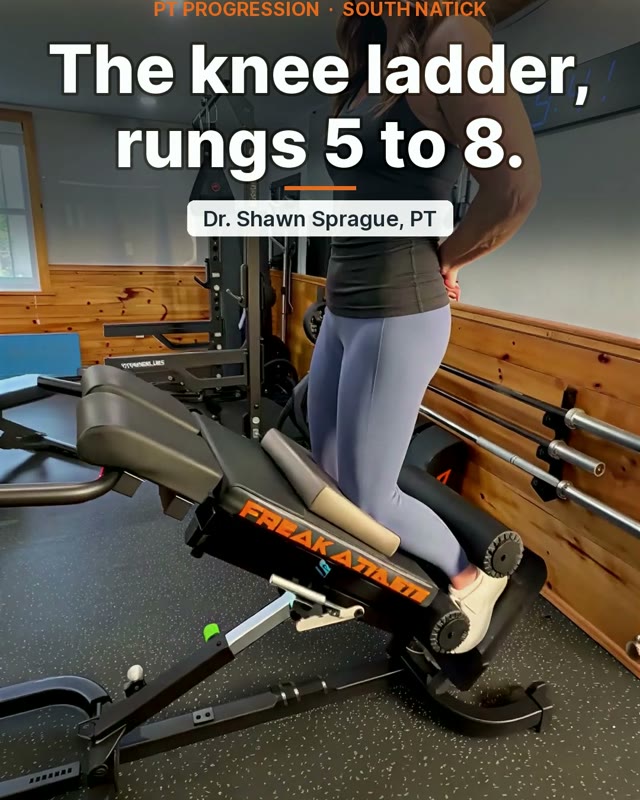
The knee ladder, rungs 5 to 8
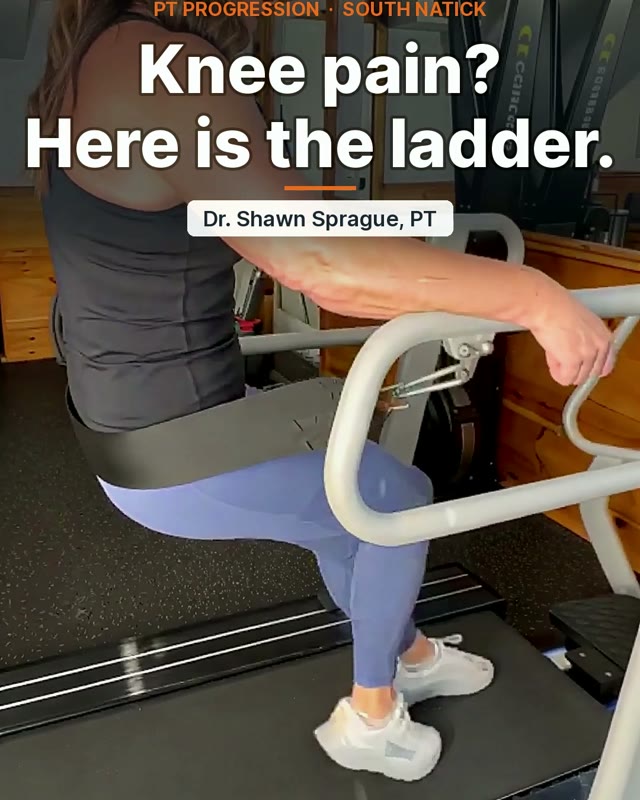
Knee pain? Here is the ladder